
Today’s stock language: Don’t buy Vietnamese stocks because GDP plummeted 9.95% and then draw a 10-year straight line; don’t sell Cambodia stocks because GDP is declining without examining Manufacturing; don’t buy Schneider shares because of the term Industrial AI; and don’t think that the fact that cardboard oil export capacity is still so high, it means no cost war — smart markets, they check Cash Flow F Low and Balance Sheet payment scale are not just looking at the Headline news headlines!
_____Additional comment ___
1/ Vietnam Extrapolation Trap Peak Cyclical GDP vs. Structural Bottlenecks
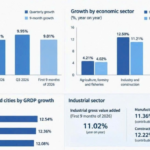
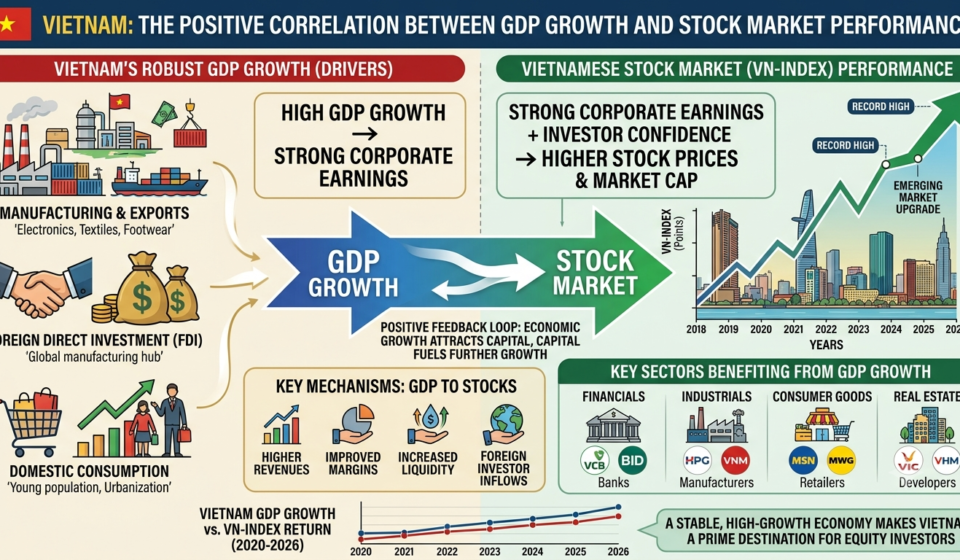
It’s meant to be …. Vietnam’s GDP in Q3 2026, plunging to 9.95% is the top of the Cyclical Peak economic cycle, receiving a boost from the rush of electronic goods exports. But taking a single quarter figure to predict growth for the next 10 years is a grave mistake.
Vietnam is experiencing inflation pressure (5.08%) and massive loss of machinery import trade ($19.42 billion), as well as challenges on Grid Power Capacity in the summer.
2/ Cambodia Manufacturing Resilience Headline GDP vs. Micro Realities
It means that Cambodia GDP forecast correction to 3.0% – 3.9% by IMF and ADB has been sold out by Panic Market.
But if you look at the depth of Manufacturing Exports, SEZ Industrial Real Estate, and Infrastructure Projects (Funan Techo Canal & Sihanoukville Port), Cambodia’s manufacturing sector is moving from Garments to a Specialized Sub-assembly Hub (Tier-2 Supplier), creating a strong Cash Flow for qualified local companies.
Enough is enough.
3/ Corporate AI Hype Schneider Electric & The Buzzword Premium
Schneider Electric Gets Strong Attention for Its Narrative of Power Supply and AI Control Systems for Data Centers and Smart Factories.
Buying Stocks Based On Buzzwords Could Make Investors Buy Stocks With P/E Multiples Overpriced. Real institutional markets require checking Free Cash Flow Yields, Debt Maturity Profiles, and Margins before investing!.
4/Geopolitical Energy Accounting High Export Volume vs. Hidden War Friction
The fact that oil producing countries can still pump and export oil in large quantities during the war doesn’t mean there is no cost or impact.
The hidden costs of war include War Risk Insurance Premiums rising hundreds of percent, Freight Rates soaring, pipeline safety protection costs, and Capital Depreciation rapidly shrinking those power companies’ Net Cash Flow.
— Nin Siem
Geopolitical Investor | Strategic Capital Thinker | Machiavellian Market Analyst